
















Health A–Z guide
Lymphoma
Lymphoma: Understanding a Complex Cancer of the Lymphatic System
Lymphoma is a type of cancer that begins in the lymphatic system—the part of the body that helps fight infections and maintain fluid balance. Although hearing the word “cancer” can…
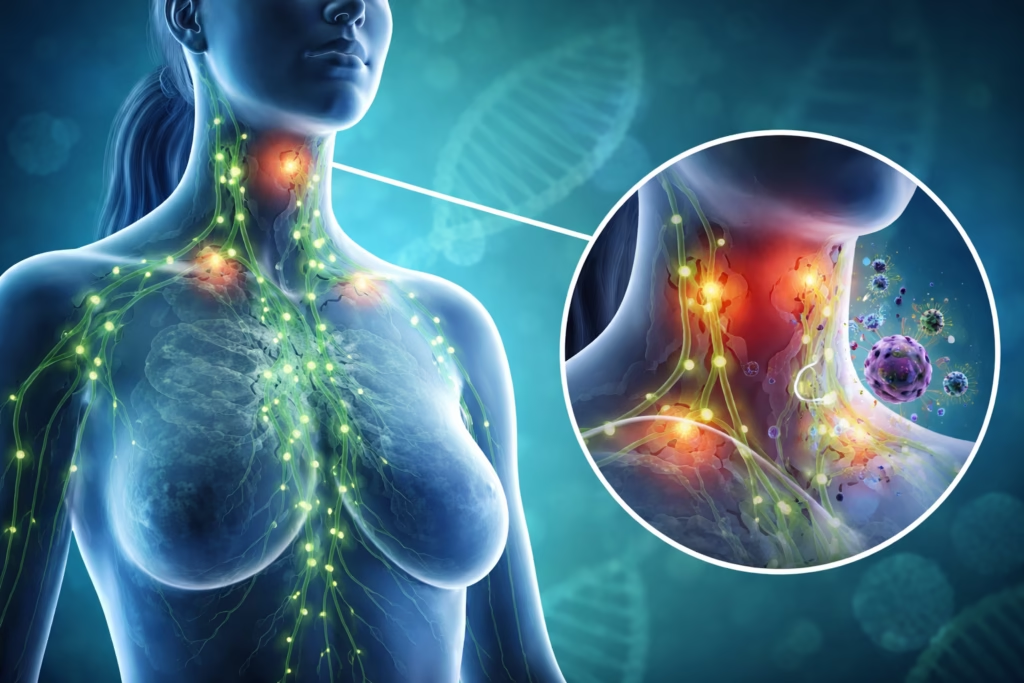
Table of Contents
Lymphoma is a type of cancer that begins in the lymphatic system—the part of the body that helps fight infections and maintain fluid balance. Although hearing the word “cancer” can be alarming, advancements in medical research have greatly improved the diagnosis, treatment, and survival rates for many types of lymphoma.
This article provides a clear, medically accurate overview of lymphoma, including its causes, symptoms, diagnosis, and treatment options. It is intended for educational purposes and not as a substitute for professional medical advice.
Overview / Definition
Lymphoma is a cancer that originates in lymphocytes, a type of white blood cell that plays a crucial role in the immune system. These cells are found in:
- Lymph nodes
- Spleen
- Bone marrow
- Thymus
- Other lymphatic tissues throughout the body
When lymphocytes grow uncontrollably or do not die when they should, they can accumulate and form tumors.
There are two main categories of lymphoma:
1. Hodgkin Lymphoma (HL)
- Characterized by the presence of Reed-Sternberg cells under the microscope.
- Often considered highly treatable, especially when detected early.
2. Non-Hodgkin Lymphoma (NHL)
- A more diverse group of blood cancers.
- Can be slow-growing (indolent) or fast-growing (aggressive).
- Includes dozens of subtypes, such as diffuse large B-cell lymphoma and follicular lymphoma.
Causes or Risk Factors
The exact cause of lymphoma is not fully understood. However, several risk factors have been identified.
Known Risk Factors Include:
- Age (risk increases with age for most types, though some occur in young adults)
- Weakened immune system
- HIV/AIDS
- Organ transplant recipients on immunosuppressive therapy
- Autoimmune diseases, such as rheumatoid arthritis or lupus
- Certain infections, including:
- Epstein-Barr virus (EBV)
- Helicobacter pylori
- Hepatitis C virus
- Exposure to certain chemicals, such as pesticides and solvents
- Family history of lymphoma (though hereditary risk is generally low)
It is important to note that many individuals with risk factors never develop lymphoma, and some people diagnosed with lymphoma have no known risk factors.
Symptoms or Clinical Presentation
Symptoms of lymphoma can vary depending on the type and location of the disease. Some forms grow slowly and may not cause noticeable symptoms for years.
Common Symptoms Include:
- Painless swelling of lymph nodes
- Typically in the neck, armpits, or groin
- Persistent fatigue
- Fever without clear infection
- Unexplained weight loss
- Night sweats
- Itching (pruritus)
- Persistent cough or chest discomfort
- Abdominal swelling or pain
Doctors often refer to fever, night sweats, and weight loss as “B symptoms,” which can help determine the stage and severity of the disease.
If symptoms persist for several weeks without improvement, medical evaluation is recommended.
Diagnosis or Screening
There is no routine screening test for lymphoma in people without symptoms. Diagnosis usually begins when a patient presents with persistent swollen lymph nodes or other concerning signs.
Diagnostic Steps May Include:
- Physical Examination
- Assessment of swollen lymph nodes or enlarged organs (like the spleen)
- Blood Tests
- To evaluate blood cell counts
- To assess liver and kidney function
- Imaging Studies
- CT scans
- PET scans
- MRI in some cases
- Biopsy (Definitive Diagnosis)
- Removal of part or all of an enlarged lymph node
- Examined under a microscope
- Specialized tests identify the specific subtype
- Bone Marrow Biopsy
- Sometimes needed to determine disease spread
Accurate classification of lymphoma subtype is critical because treatment plans depend heavily on the specific diagnosis.
Treatment or Management Options
Treatment depends on several factors:
- Type of lymphoma
- Stage of the disease
- Patient’s age and overall health
- Growth rate (indolent vs. aggressive)
Common Treatment Options
1. Chemotherapy
- Uses drugs to kill rapidly dividing cancer cells
- Often the main treatment for many lymphomas
2. Radiation Therapy
- Targets cancer cells with high-energy beams
- May be used alone in early-stage disease or combined with chemotherapy
3. Immunotherapy
- Stimulates the immune system to attack cancer cells
- Examples include monoclonal antibodies such as rituximab
4. Targeted Therapy
- Focuses on specific molecules within cancer cells
- Often fewer side effects than traditional chemotherapy
5. Stem Cell Transplant
- High-dose chemotherapy followed by replacement of healthy stem cells
- Used in certain cases of relapse or high-risk disease
6. Active Surveillance (Watchful Waiting)
- For slow-growing lymphomas without symptoms
- Regular monitoring without immediate treatment
Thanks to modern therapies, many patients with Hodgkin lymphoma—and several forms of non-Hodgkin lymphoma—achieve long-term remission or cure.
Prevention or Lifestyle Considerations
There is no guaranteed way to prevent lymphoma, but certain strategies may reduce risk or improve overall health:
- Maintain a healthy immune system
- Avoid unnecessary exposure to harmful chemicals
- Practice safe behaviors to reduce viral infections
- Follow recommended healthcare screenings
- Adopt a healthy lifestyle:
- Balanced diet
- Regular physical activity
- Avoid tobacco use
- Moderate alcohol consumption
While lifestyle changes cannot eliminate risk, they support overall immune function and well-being.
Prognosis and Outlook
The outlook for lymphoma varies widely depending on:
- Subtype
- Stage at diagnosis
- Patient’s overall health
- Response to treatment
Many cases of Hodgkin lymphoma have high cure rates. Non-Hodgkin lymphoma outcomes vary, but significant progress in targeted and immune-based therapies has improved survival across many subtypes.
Early detection and personalized treatment strategies play a critical role in outcomes.
Conclusion
Lymphoma is a cancer of the lymphatic system that arises from abnormal lymphocytes. It includes two major categories—Hodgkin lymphoma and non-Hodgkin lymphoma—each with multiple subtypes and varying behaviors.
Key takeaways include:
- Lymphoma can present with painless swollen lymph nodes, fatigue, fever, night sweats, or weight loss.
- Diagnosis requires a biopsy and specialized testing.
- Treatment options range from chemotherapy and immunotherapy to targeted therapy and stem cell transplantation.
- Many forms of lymphoma are treatable, and some are curable, especially with early and appropriate intervention.
Disclaimer
This article is intended for informational and educational purposes only. It does not replace professional medical advice, diagnosis, or treatment. If you have symptoms or concerns about lymphoma or any medical condition, consult a qualified healthcare professional for personalized evaluation and care.
Was this page helpful?
Thanks for your feedback! What could we improve?
Thank you! Your feedback helps us improve our guides.
Our Health A–Z guides are written by the True Impact Health Editorial Team and based on reliable sources such as public health agencies, clinical guidelines and peer-reviewed research. This guide has not yet been medically reviewed. Read our editorial process.
This content is for general information and is not a substitute for professional medical advice, diagnosis or treatment.