












Health A–Z guide
Lung Health
Breathing is something most of us take for granted—until it becomes difficult. Our lungs work continuously, delivering oxygen to the bloodstream and...
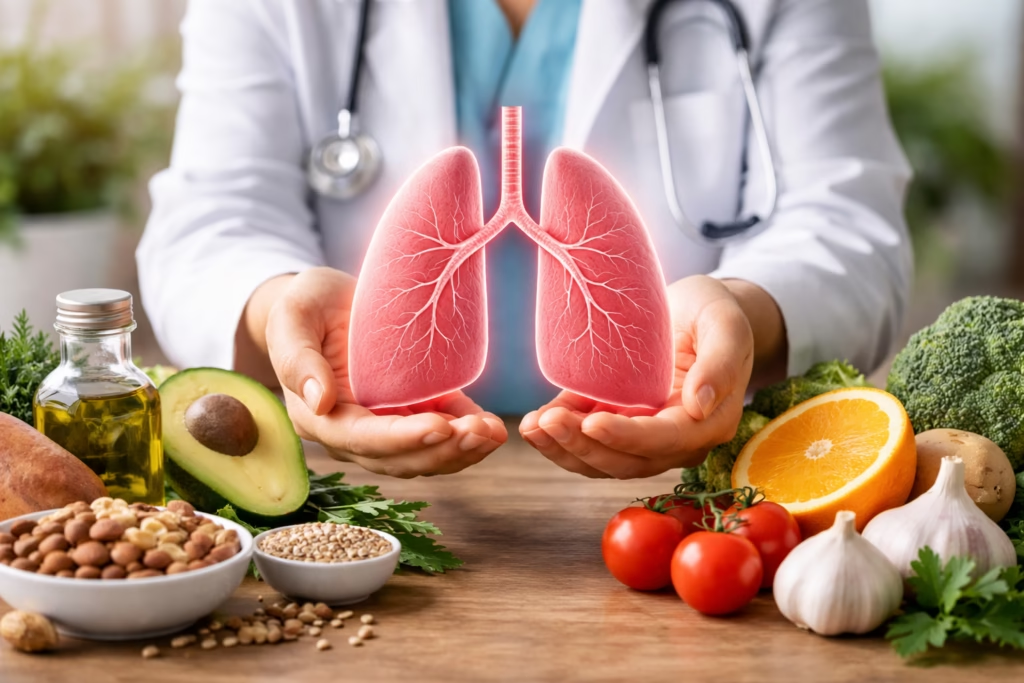
Table of Contents
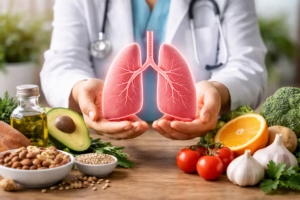
Breathing is something most of us take for granted—until it becomes difficult. Our lungs work continuously, delivering oxygen to the bloodstream and removing carbon dioxide from the body. Healthy lungs are essential not only for survival but also for energy, physical performance, and overall well-being. Understanding lung health, common risk factors, and preventive strategies can empower individuals to protect their respiratory system and recognize potential problems early.
Overview: What Is Lung Health?
Lung health refers to the optimal functioning of the respiratory system, including the airways, lung tissues, and supporting muscles involved in breathing. Healthy lungs efficiently:
- Deliver oxygen to the bloodstream
- Remove carbon dioxide from the body
- Support immune defense against airborne pathogens
- Enable physical activity and endurance
The lungs are complex organs composed of airways (bronchi and bronchioles), air sacs (alveoli), blood vessels, and connective tissues. Damage to any of these structures can impair breathing and overall function.
Common lung conditions include:
- Asthma
- Chronic Obstructive Pulmonary Disease (COPD)
- Pneumonia
- Lung cancer
- Pulmonary fibrosis
- Tuberculosis
- Interstitial lung diseases
Causes and Risk Factors
Several internal and external factors can affect lung health. While some are unavoidable, many are preventable or modifiable.
1. Smoking and Tobacco Use
- Leading cause of lung cancer and COPD
- Damages airways and alveoli
- Increases risk of infections
Even secondhand smoke can significantly harm lung tissue.
2. Air Pollution
- Outdoor pollution from vehicles and industry
- Indoor pollutants such as mold, dust, radon, and chemical fumes
- Long-term exposure linked to chronic lung disease and cardiovascular problems
3. Occupational Hazards
Repeated exposure to substances like:
- Asbestos
- Silica dust
- Coal dust
- Chemical vapors
can damage lung tissue over time.
4. Infections
- Viral infections (e.g., influenza, COVID-19)
- Bacterial infections (e.g., pneumonia, tuberculosis)
Severe or repeated infections may lead to long-term complications.
5. Genetic and Medical Conditions
- Family history of lung disease
- Autoimmune disorders
- Premature birth (risk of underdeveloped lungs)
Symptoms and Clinical Presentation
Lung diseases often present with respiratory symptoms. Common warning signs include:
- Persistent cough
- Shortness of breath
- Wheezing
- Chest tightness or pain
- Chronic mucus production
- Frequent pulmonary infections
- Unexplained fatigue
More serious symptoms may include:
- Coughing up blood
- Sudden sharp chest pain with difficulty breathing
- Bluish discoloration of lips or fingertips
Any persistent or worsening symptom warrants medical evaluation.
Diagnosis and Screening
Accurate diagnosis of lung conditions typically involves a combination of clinical assessment and diagnostic testing.
Physical Examination
A healthcare provider may:
- Listen to breathing sounds with a stethoscope
- Assess oxygen levels
- Evaluate chest movement
Pulmonary Function Tests (PFTs)
These tests measure:
- Lung capacity
- Airflow
- Gas exchange efficiency
Common examples include spirometry.
Imaging Studies
- Chest X-rays
- CT scans
These help identify infections, tumors, inflammation, or structural changes.
Laboratory Tests
- Blood tests
- Sputum tests
- Bronchoscopy (in certain cases)
Screening Recommendations
- Low-dose CT scans are recommended for high-risk individuals (e.g., long-term smokers) to screen for lung cancer.
- Routine vaccinations (influenza, pneumococcal) play a preventive role.
Treatment and Management Options
Treatment depends on the specific lung condition, severity, and underlying cause.
1. Medications
Common categories include:
- Bronchodilators (to open airways)
- Corticosteroids (to reduce inflammation)
- Antibiotics (for bacterial infections)
- Antiviral medications (in select cases)
- Immunotherapy or targeted therapies (for lung cancer)
2. Oxygen Therapy
Used for patients with chronically low blood oxygen levels.
3. Pulmonary Rehabilitation
A comprehensive program that includes:
- Supervised exercise
- Breathing techniques
- Nutritional counseling
- Education on symptom management
4. Surgical Interventions
In certain cases, options may include:
- Removal of tumors
- Lung volume reduction surgery
- Lung transplantation
Early detection significantly improves treatment outcomes for many lung diseases.
Prevention and Lifestyle Considerations
Maintaining lung health often involves lifelong habits and environmental awareness.
Avoid Tobacco Smoke
- Do not smoke
- Avoid secondhand smoke
- Seek smoking cessation support if needed
Improve Indoor Air Quality
- Use air purifiers
- Reduce exposure to mold and dust
- Ensure proper ventilation
Protect Yourself at Work
- Wear appropriate respiratory protection
- Follow occupational safety guidelines
Stay Physically Active
Regular exercise:
- Improves lung capacity
- Strengthens respiratory muscles
- Enhances oxygen efficiency
Maintain Vaccinations
- Annual influenza vaccine
- Pneumococcal vaccine (as recommended)
- COVID-19 vaccination
Eat a Balanced Diet
Nutrition plays a supportive role in immune function and inflammation control.
Conclusion
Lung health is fundamental to overall well-being. From delivering oxygen to protecting against infections, the lungs perform vital functions every minute of life. While certain risk factors like genetics cannot be changed, many threats—such as smoking and pollution exposure—are preventable. Early recognition of symptoms, routine screening for high-risk individuals, and healthy lifestyle choices can significantly reduce the burden of lung disease.
Protecting your lungs today supports long-term vitality and quality of life.
Disclaimer:
This article is intended for educational purposes only and does not replace professional medical advice. If you have concerns about your respiratory health or experience persistent symptoms, please consult a qualified healthcare professional for evaluation and guidance.
Was this page helpful?
Thanks for your feedback! What could we improve?
Thank you! Your feedback helps us improve our guides.
Our Health A–Z guides are written by the True Impact Health Editorial Team and based on reliable sources such as public health agencies, clinical guidelines and peer-reviewed research. This guide has not yet been medically reviewed. Read our editorial process.
This content is for general information and is not a substitute for professional medical advice, diagnosis or treatment.