
















Health A–Z guide
Hormone Receptor Positive Breast Cancer
Breast cancer is not a single disease but a group of cancers with different biological characteristics and treatment approaches. One of the most common...
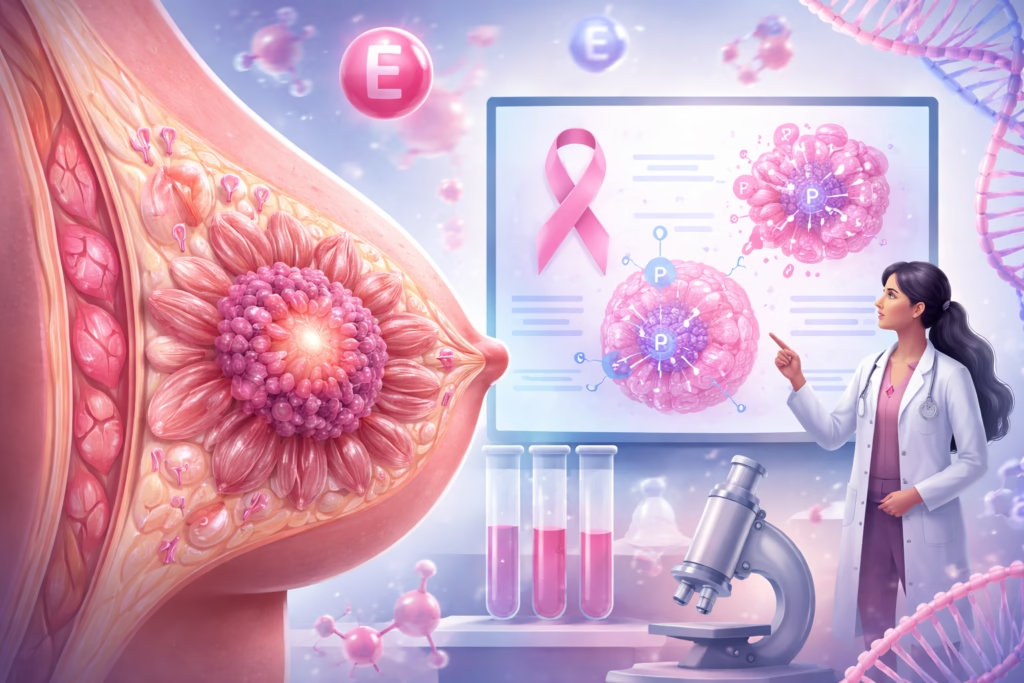
Table of Contents
Breast cancer is not a single disease but a group of cancers with different biological characteristics and treatment approaches. One of the most common types is hormone receptor-positive (HR-positive) breast cancer. Understanding what this diagnosis means can help patients and families feel more informed and empowered when discussing care options with healthcare providers.
In this article, we’ll explore what hormone receptor-positive breast cancer is, its risk factors, symptoms, diagnosis, treatment options, and preventive considerations—using clear, medically accurate information.
Overview / Definition
Hormone receptor-positive breast cancer refers to breast cancer cells that have receptors (proteins) that bind to specific hormones—primarily estrogen and/or progesterone. These hormones can promote the growth of cancer cells.
There are two main types:
- Estrogen receptor-positive (ER-positive): Cancer cells grow in response to estrogen.
- Progesterone receptor-positive (PR-positive): Cancer cells grow in response to progesterone.
Some cancers are positive for both receptors. HR-positive breast cancers account for approximately 70%–80% of all breast cancer cases and are generally associated with a more favorable prognosis compared to hormone receptor-negative cancers.
Because these cancers rely on hormones to grow, they often respond well to hormone (endocrine) therapy, which targets these pathways.
Causes and Risk Factors
There is no single cause of hormone receptor-positive breast cancer. Instead, risk arises from a combination of genetic, hormonal, environmental, and lifestyle factors.
Common Risk Factors
1. Hormonal Factors
- Early onset of menstruation (before age 12)
- Late menopause (after age 55)
- Never having been pregnant
- First pregnancy after age 30
- Hormone replacement therapy (especially combined estrogen-progestin therapy)
2. Age
- Risk increases with age, particularly after 50.
3. Family History and Genetics
- Family history of breast or ovarian cancer
- BRCA1 or BRCA2 gene mutations (though BRCA1 is more often associated with triple-negative cancers)
4. Lifestyle Factors
- Obesity (especially after menopause)
- Alcohol consumption
- Sedentary lifestyle
5. Dense Breast Tissue
- Women with dense breast tissue may have an increased risk.
Notably, many individuals diagnosed with HR-positive breast cancer may not have clear or obvious risk factors.
Symptoms or Clinical Presentation
In its early stages, hormone receptor-positive breast cancer may not cause noticeable symptoms. This highlights the importance of regular screening.
Common signs and symptoms may include:
- A new lump or mass in the breast or underarm
- Changes in breast size or shape
- Skin changes (dimpling, redness, puckering)
- Nipple inversion or discharge (especially bloody discharge)
- Persistent breast pain (less common)
Because HR-positive cancers often grow more slowly than other types, they may develop gradually over time.
Diagnosis or Screening
Early detection significantly improves outcomes. Diagnosis typically involves a combination of imaging and tissue sampling.
Screening Methods
- Mammography (recommended routinely starting at age 40–50 depending on guidelines and individual risk)
- Clinical breast exams
- Breast MRI (for high-risk individuals)
Diagnostic Tests
If an abnormality is detected:
- Diagnostic mammogram or ultrasound
- Core needle biopsy to remove tissue for analysis
Laboratory Testing
The biopsy sample is tested for:
- Estrogen receptor (ER) status
- Progesterone receptor (PR) status
- HER2 status (another protein that affects treatment decisions)
Tumors are classified based on whether they express these receptors, which directly influences treatment planning.
Treatment or Management Options
Treatment depends on multiple factors, including tumor size, stage, receptor status, patient age, menopausal status, and overall health.
1. Surgery
Often the first step in early-stage disease:
- Lumpectomy (breast-conserving surgery)
- Mastectomy
- Sentinel lymph node biopsy or axillary node dissection
2. Radiation Therapy
Typically recommended after lumpectomy to reduce recurrence risk.
3. Hormone (Endocrine) Therapy
A cornerstone of treatment for HR-positive breast cancer.
Common options include:
- Tamoxifen (blocks estrogen receptors; can be used in pre- and postmenopausal individuals)
- Aromatase inhibitors (e.g., anastrozole, letrozole, exemestane; used primarily in postmenopausal individuals)
- Ovarian suppression therapy (in premenopausal patients)
Hormone therapy is often taken for 5–10 years to reduce recurrence risk.
4. Chemotherapy
May be recommended depending on:
- Tumor size
- Lymph node involvement
- Genomic test results (e.g., Oncotype DX)
Some HR-positive cancers may not require chemotherapy, especially if genomic testing shows low recurrence risk.
5. Targeted Therapies
For advanced or metastatic disease:
- CDK4/6 inhibitors (e.g., palbociclib, ribociclib)
- PI3K inhibitors (in specific mutation settings)
Treatment for metastatic HR-positive breast cancer often focuses on long-term disease control.
Prognosis
Hormone receptor-positive breast cancers generally:
- Grow more slowly
- Respond well to hormone therapy
- Have relatively favorable long-term survival rates
However, these cancers can recur—even years after initial treatment—so long-term follow-up care is essential.
Prevention and Lifestyle Considerations
While breast cancer cannot be entirely prevented, certain measures may lower risk or improve outcomes after diagnosis.
Risk-Reducing Strategies
- Maintaining a healthy weight
- Engaging in regular physical activity
- Limiting alcohol intake
- Avoiding unnecessary hormone therapy
- Breastfeeding, when possible
For high-risk individuals:
- Risk-reducing medications (e.g., tamoxifen)
- Increased surveillance
- Preventive (prophylactic) surgery in selected cases
Healthy lifestyle choices can also support overall well-being during and after treatment.
Living with Hormone Receptor-Positive Breast Cancer
A diagnosis can have emotional and psychological impacts alongside physical challenges. Supportive care may include:
- Counseling or mental health services
- Survivorship programs
- Support groups
- Nutritional guidance
- Physical therapy
Long-term survivorship care often focuses on monitoring for recurrence, managing treatment side effects, and promoting overall health.
Conclusion
Hormone receptor-positive breast cancer is the most common subtype of breast cancer and is characterized by tumors that grow in response to estrogen and/or progesterone. Thanks to advances in hormone therapy and targeted treatments, many individuals with HR-positive breast cancer experience favorable outcomes and long-term survival.
Early detection through screening, accurate diagnosis through receptor testing, and personalized treatment planning are critical components of effective management.
Disclaimer
This article is for educational purposes only and is not a substitute for professional medical advice, diagnosis, or treatment. If you have concerns about breast cancer or your personal risk, please consult a qualified healthcare professional for individualized guidance.
Was this page helpful?
Thanks for your feedback! What could we improve?
Thank you! Your feedback helps us improve our guides.
Our Health A–Z guides are written by the True Impact Health Editorial Team and based on reliable sources such as public health agencies, clinical guidelines and peer-reviewed research. This guide has not yet been medically reviewed. Read our editorial process.
This content is for general information and is not a substitute for professional medical advice, diagnosis or treatment.