















Health A–Z guide
Hiatal Hernia
Hiatal Hernia: Understanding the Causes, Symptoms, and Treatment Options
A hiatal hernia is a common medical condition that affects the upper part of the stomach and its relationship with the diaphragm. While many people with a hiatal hernia experience…
Table of Contents
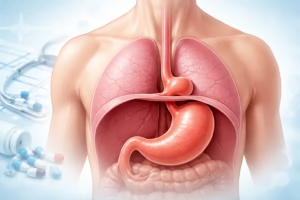
A hiatal hernia is a common medical condition that affects the upper part of the stomach and its relationship with the diaphragm. While many people with a hiatal hernia experience no symptoms, others may deal with uncomfortable issues like heartburn and acid reflux. Understanding what a hiatal hernia is, why it occurs, and how it can be managed is key to maintaining digestive health.
In this comprehensive guide, we’ll explore the condition in clear, accessible terms—covering causes, symptoms, diagnosis, treatment strategies, and lifestyle considerations.
Overview / Definition
A hiatal hernia occurs when part of the stomach pushes upward through an opening in the diaphragm called the hiatus. The diaphragm is a large muscle that separates the chest cavity from the abdomen and helps with breathing. Normally, the esophagus passes through the hiatus before connecting to the stomach.
When the upper part of the stomach bulges through this opening, it is called a hiatal hernia.
Types of Hiatal Hernias
There are two main types:
- Sliding Hiatal Hernia (Type I)
- The most common type
- The stomach and the lower part of the esophagus slide up into the chest
- Often associated with gastroesophageal reflux disease (GERD)
- Paraesophageal Hiatal Hernia (Types II–IV)
- Less common but potentially more serious
- Part of the stomach pushes up next to the esophagus
- The stomach may become trapped, risking reduced blood flow (strangulation)
Causes and Risk Factors
Hiatal hernias develop when the muscles and tissues supporting the diaphragm become weakened or when pressure inside the abdomen increases.
Common Causes and Contributing Factors
- Age-related muscle weakening
- Obesity
- Pregnancy
- Chronic coughing
- Straining during bowel movements
- Heavy lifting
- Persistent vomiting
- Previous abdominal surgery or injury
- Smoking
Increased pressure within the abdominal cavity is a major contributor. Over time, this pressure can push part of the stomach through the diaphragm.
Symptoms and Clinical Presentation
Many people with a hiatal hernia have no noticeable symptoms, especially with small sliding hernias.
When symptoms do occur, they are often related to acid reflux.
Common Symptoms
- Heartburn (burning sensation in the chest)
- Regurgitation of food or sour liquid
- Difficulty swallowing (dysphagia)
- Chest pain (sometimes mistaken for heart-related pain)
- Chronic cough
- Hoarseness or sore throat
- Feeling full quickly when eating
Symptoms of More Severe (Paraesophageal) Hernias
- Severe chest or abdominal pain
- Difficulty swallowing
- Shortness of breath
- Vomiting
- Gastrointestinal bleeding (rare but serious)
Sudden, severe pain with nausea or vomiting may indicate a medical emergency, particularly if the hernia becomes strangulated.
Diagnosis and Screening
Hiatal hernias are often discovered incidentally during imaging tests performed for other reasons.
Diagnostic Tools May Include:
- Upper endoscopy (EGD)
A thin, flexible tube with a camera is inserted through the mouth to visualize the esophagus and stomach. - Barium swallow (Upper GI series)
The patient drinks a contrast liquid, and X-rays are taken to examine the digestive tract. - Esophageal manometry
Measures muscle contractions in the esophagus. - pH monitoring
Assesses acid reflux over 24 hours.
Diagnosis depends on symptom severity and clinical suspicion. Not all hiatal hernias require extensive testing.
Treatment and Management Options
Treatment depends on:
- The type of hiatal hernia
- Severity of symptoms
- Presence of complications
1. Lifestyle Modifications
For many people, especially with sliding hiatal hernias, symptoms can be managed without surgery.
Helpful measures include:
- Eating smaller, more frequent meals
- Avoiding lying down for 2–3 hours after eating
- Elevating the head of the bed
- Maintaining a healthy weight
- Avoiding trigger foods (e.g., spicy, fatty, or acidic foods)
- Limiting caffeine and alcohol
- Stopping smoking
2. Medications
If acid reflux is present, medications may be recommended:
- Antacids – Neutralize stomach acid
- H2 receptor blockers – Reduce acid production
- Proton pump inhibitors (PPIs) – More effectively block acid production and allow healing of esophageal tissue
These medications do not correct the hernia itself but help manage symptoms.
3. Surgical Treatment
Surgery may be considered when:
- Symptoms are severe or persistent
- Medications are ineffective
- A paraesophageal hernia is present
- Complications develop (e.g., strangulation)
The most common procedure is laparoscopic fundoplication, where:
- The stomach is pulled back into the abdomen
- The hiatus is tightened
- The upper stomach is wrapped around the lower esophagus to prevent reflux
Surgery is generally safe and effective but is typically reserved for more advanced or complicated cases.
Prevention and Lifestyle Considerations
While not all hiatal hernias can be prevented, certain measures may reduce risk or symptom severity.
Preventive Strategies
- Maintain a healthy body weight
- Avoid chronic straining (e.g., treat constipation promptly)
- Use proper lifting techniques
- Quit smoking
- Manage chronic cough conditions
- Eat balanced meals and avoid overeating
Early management of acid reflux can also help prevent long-term esophageal complications such as esophagitis, narrowing (stricture), or Barrett’s esophagus.
Potential Complications
Most hiatal hernias are benign, but complications can include:
- Chronic GERD
- Esophagitis (inflammation of the esophagus)
- esophageal ulcers
- Barrett’s esophagus
- Strangulated paraesophageal hernia (medical emergency)
Prompt medical evaluation is important if symptoms worsen or change suddenly.
Conclusion
A hiatal hernia is a common condition in which part of the stomach pushes through the diaphragm into the chest cavity. While many individuals remain symptom-free, others experience reflux-related discomfort that can significantly affect quality of life.
Fortunately, most cases can be effectively managed with lifestyle adjustments and medications. Surgical intervention is reserved for more severe or complicated situations.
If you experience persistent heartburn, chest discomfort, or swallowing difficulties, seeking medical evaluation can help clarify the cause and guide appropriate treatment.
Disclaimer
This article is intended for educational purposes only and does not replace professional medical advice. If you have symptoms or concerns related to a hiatal hernia or digestive health, please consult a qualified healthcare professional for proper evaluation and personalized care.
Was this page helpful?
Thanks for your feedback! What could we improve?
Thank you! Your feedback helps us improve our guides.
Our Health A–Z guides are written by the True Impact Health Editorial Team and based on reliable sources such as public health agencies, clinical guidelines and peer-reviewed research. This guide has not yet been medically reviewed. Read our editorial process.
This content is for general information and is not a substitute for professional medical advice, diagnosis or treatment.