













Health A–Z guide
Chickenpox
Chickenpox: What You Need to Know About This Common Viral Infection Chickenpox is a highly contagious viral infection that most people associate with...
Table of Contents
Chickenpox: What You Need to Know About This Common Viral Infection
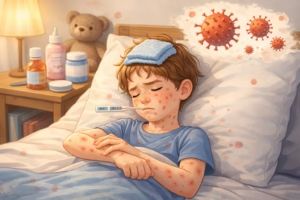
Chickenpox is a highly contagious viral infection that most people associate with childhood, and for good reason. Before widespread vaccination, nearly everyone developed chickenpox at some point, often during. While it is usually mild in children, chickenpox can be more severe in adolescents, adults, pregnant individuals, and those with weakened immune systems. Understanding its causes, symptoms, treatment, and prevention is essential for informed health decisions.
Overview: What Is Chickenpox?
Chickenpox, medically known as varicella, is an infectious disease caused by the varicella-zoster virus (VZV). It primarily affects children but can occur at any age. The hallmark of chickenpox is an itchy, blister-like rash accompanied by fever and general discomfort.
After recovery, the virus does not completely leave the body. Instead, it remains dormant in nerve tissue and may reactivate years later as shingles (herpes zoster).
Causes and Risk Factors
Cause
Chickenpox is caused by infection with the varicella-zoster virus, a member of the herpesvirus family.
How It Spreads
The virus spreads easily through:
- Direct contact with fluid from chickenpox blisters
- Respiratory droplets released when an infected person coughs or sneezes
- Airborne transmission in enclosed spaces
A person with chickenpox is typically contagious 1–2 days before the rash appears and remains contagious until all blisters have crusted over.
Risk Factors
Higher risk of infection or complications is associated with:
- Not being vaccinated against chickenpox
- Close contact with an infected individual
- Weakened immune system
- Pregnancy
- Adolescence or adulthood (for severity)
Symptoms and Clinical Presentation
Symptoms usually appear 10–21 days after exposure to the virus. Chickenpox often begins with mild, flu-like symptoms followed by the characteristic rash.
Common Symptoms Include:
- Fever
- Fatigue and general malaise
- Headache
- Loss of appetite
The Classic Chickenpox Rash
The rash typically develops in stages:
- Red spots (macules)
- Fluid-filled blisters (vesicles)
- Crusting and scabbing
Notably, new lesions may continue to appear for several days, meaning spots in different stages can be present at the same time. The rash often begins on the face and trunk before spreading to other parts of the body.
Diagnosis and Screening
Chickenpox is most often diagnosed clinically, based on:
- The appearance and progression of the rash
- A patient’s medical history and exposure risk
In uncertain cases—such as atypical presentations or in individuals with compromised immunity—laboratory tests may be used, including:
- Polymerase chain reaction (PCR) testing of lesion samples
- Blood tests to detect varicella antibodies
Routine screening is not typically required in healthy individuals.
Treatment and Management Options
There is no cure that eliminates the virus, but treatment focuses on symptom relief and prevention of complications.
General Management Strategies
- Supportive care to ease fever and discomfort
- Measures to reduce itching and prevent skin infection
Antiviral Medications
In certain situations—such as severe illness, adults, or individuals at higher risk—antiviral medications may be prescribed by healthcare professionals to shorten the duration and reduce symptoms.
Hospital care may be necessary for complications, which can include bacterial skin infections, pneumonia, or neurologic involvement, though these are uncommon in healthy children.
Prevention and Lifestyle Considerations
Vaccination
The most effective way to prevent chickenpox is vaccination. The varicella vaccine:
- Provides long-lasting protection
- Reduces the severity of illness if infection occurs
- Helps prevent the spread within communities
Many national immunization programs include chickenpox vaccination as part of routine childhood schedules.
Reducing Spread
Preventive measures include:
- Avoiding close contact with infected individuals
- Staying home during the contagious period
- Practicing good hand hygiene
These steps are particularly important for protecting vulnerable populations.
Key Takeaways
Chickenpox is a common but potentially serious viral infection, especially beyond early childhood. While most cases resolve without lasting effects, complications can occur. Vaccination remains the most effective preventive strategy, and early recognition helps reduce transmission. Staying informed about symptoms, management, and prevention supports better individual and public health outcomes.
Medical Disclaimer
This article is for educational purposes only and is not intended to replace professional medical advice, diagnosis, or treatment. Always consult a qualified healthcare professional with questions or concerns about medical conditions or health decisions.
Was this page helpful?
Thanks for your feedback! What could we improve?
Thank you! Your feedback helps us improve our guides.
Our Health A–Z guides are written by the True Impact Health Editorial Team and based on reliable sources such as public health agencies, clinical guidelines and peer-reviewed research. This guide has not yet been medically reviewed. Read our editorial process.
This content is for general information and is not a substitute for professional medical advice, diagnosis or treatment.