















Health A–Z guide
Anemia
Anemia: Understanding Causes, Symptoms, and Management
Anemia is one of the most common medical conditions worldwide, affecting people of all ages and backgrounds. Despite its prevalence, anemia is often misunderstood or unrecognized until symptoms begin to…
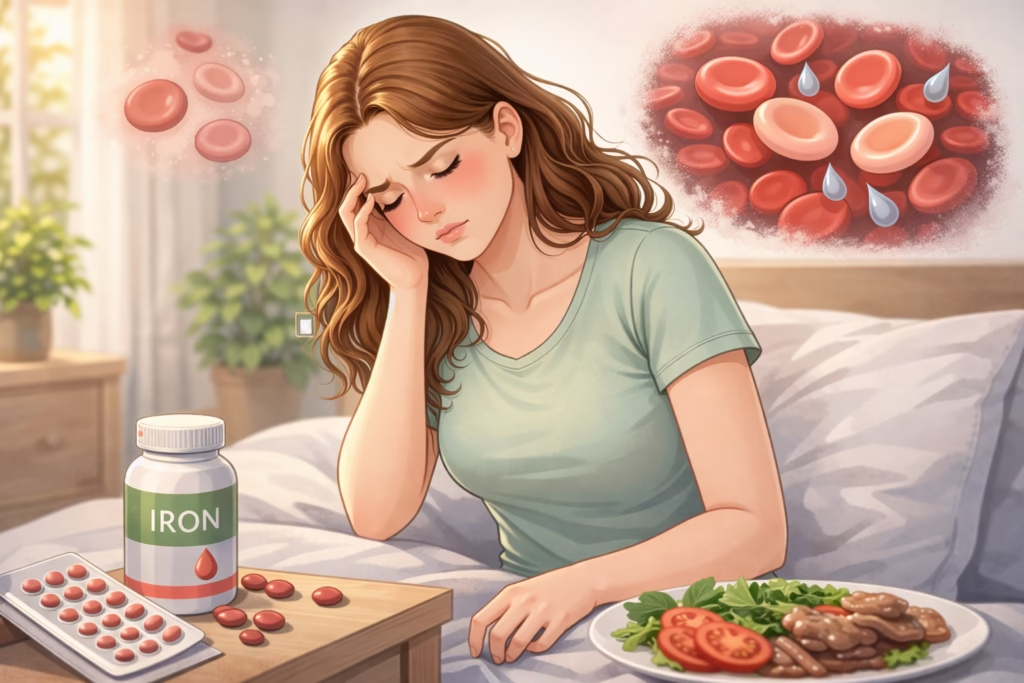
Table of Contents

Anemia is one of the most common medical conditions worldwide, affecting people of all ages and backgrounds. Despite its prevalence, anemia is often misunderstood or unrecognized until symptoms begin to interfere with daily life. At its core, anemia involves a reduced ability of the blood to carry oxygen, which can impact nearly every system in the body. This article provides a clear, evidence-based overview of anemia, including its causes, symptoms, diagnosis, treatment options, and prevention strategies.
Overview / Definition
Anemia is a condition in which the body does not have enough healthy red blood cells (RBCs) or sufficient hemoglobin to transport oxygen effectively to tissues. Hemoglobin is a protein inside red blood cells that binds oxygen in the lungs and delivers it throughout the body.
When oxygen delivery is reduced, organs and tissues may not function optimally, leading to fatigue and other symptoms. Anemia can be temporary or chronic, mild or severe, depending on its underlying cause.
Causes or Risk Factors
Anemia is not a single disease but a sign of an underlying problem. Common causes and risk factors include:
1. Decreased Red Blood Cell Production
- Iron deficiency (the most common cause globally)
- Vitamin deficiencies, such as:
- Vitamin B12 deficiency
- Folate deficiency
- Bone marrow disorders (e.g., aplastic anemia)
- Chronic diseases (e.g., kidney disease, inflammatory conditions)
2. Increased Red Blood Cell Loss
- Blood loss due to:
- Heavy menstrual bleeding
- Gastrointestinal bleeding (ulcers, hemorrhoids, cancers)
- Surgery or trauma
3. Increased Red Blood Cell Destruction
- Hemolytic anemias (when RBCs are destroyed faster than they are made)
- Genetic conditions such as:
- Sickle cell disease
- Thalassemia
Additional Risk Factors
- Pregnancy
- Poor nutritional intake
- Chronic infections
- Older age
- Certain medications
Symptoms or Clinical Presentation
Symptoms of anemia vary depending on its severity, duration, and cause. Mild anemia may cause few or no noticeable symptoms, while more severe cases can significantly impair daily functioning.
Common symptoms include:
- Persistent fatigue or weakness
- Pale skin or mucous membranes
- Shortness of breath, especially with exertion
- Dizziness or lightheadedness
- Headaches
- Cold hands and feet
In more severe cases, individuals may experience:
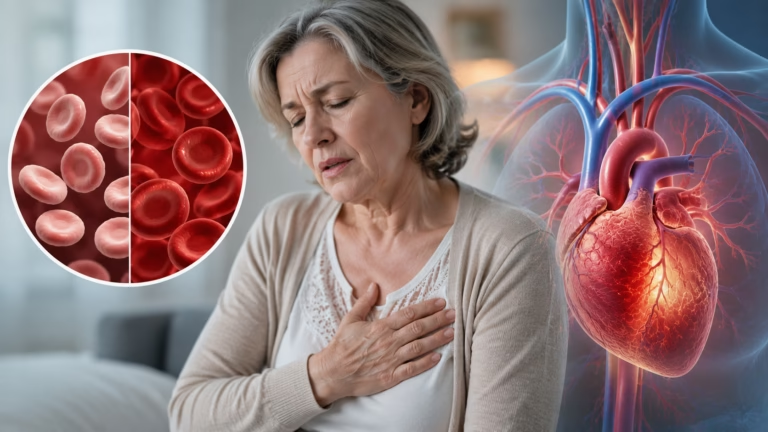
- Chest pain
- Irregular or rapid heartbeat
- Cognitive difficulties or poor concentration
Diagnosis or Screening
Anemia is typically diagnosed through blood tests. Evaluation often begins with a complete blood count (CBC), which measures:
- Hemoglobin level
- Hematocrit (proportion of red blood cells in blood)
- Red blood cell size and number
Additional tests may be ordered to determine the underlying cause, such as:
- Iron studies (serum iron, ferritin, transferrin)
- Vitamin B12 and folate levels
- Reticulocyte count
- Tests for blood loss or bone marrow function
Diagnosis focuses not only on confirming anemia but also on identifying its root cause.
Treatment or Management Options
Treatment of anemia depends on its type, cause, and severity. The goal is to restore healthy red blood cell levels and address the underlying issue.
Common management approaches include:
- Nutritional supplementation
- Iron supplements for iron-deficiency anemia
- Vitamin B12 or folic acid supplementation
- Dietary modifications
- Increasing intake of iron-rich and vitamin-rich foods
- Treatment of underlying conditions
- Managing chronic diseases
- Treating infections or inflammatory conditions
- Medical interventions
- Blood transfusions (in severe cases)
- Medications that stimulate red blood cell production
- Treatment for inherited blood disorders
Management is usually guided by healthcare professionals based on laboratory findings and clinical assessment.
Prevention or Lifestyle Considerations
While not all forms of anemia are preventable, certain lifestyle measures can reduce risk, particularly for nutritional anemias.
Preventive strategies may include:
- Consuming a balanced diet rich in:
- Iron (e.g., lean meats, legumes, fortified cereals)
- Vitamin B12 (e.g., dairy, eggs, fish)
- Folate (e.g., leafy greens, beans)
- Addressing chronic blood loss promptly
- Routine screening in high-risk populations, such as:
- Pregnant individuals
- Older adults
- People with chronic medical conditions
Early detection and appropriate treatment play a crucial role in preventing complications.
Conclusion
Anemia is a common yet complex condition that reflects an underlying imbalance in red blood cell production, loss, or destruction. Understanding its causes, recognizing symptoms, and pursuing appropriate evaluation are essential steps toward effective management. With accurate diagnosis and evidence-based treatment, many forms of anemia can be successfully treated or controlled, improving overall quality of life.
Medical Disclaimer
This article is intended for educational purposes only and does not replace professional medical advice. If you have symptoms of anemia or concerns about your health, consult a qualified healthcare professional for proper evaluation, diagnosis, and treatment.
Was this page helpful?
Thanks for your feedback! What could we improve?
Thank you! Your feedback helps us improve our guides.
Our Health A–Z guides are written by the True Impact Health Editorial Team and based on reliable sources such as public health agencies, clinical guidelines and peer-reviewed research. This guide has not yet been medically reviewed. Read our editorial process.
This content is for general information and is not a substitute for professional medical advice, diagnosis or treatment.