














Disease Myths and Facts
In the contemporary information environment, health related content circulates rapidly across digital platforms, informal social networks, and everyday...

Table of Contents
In the contemporary information environment, health related content circulates rapidly across digital platforms, informal social networks, and everyday conversations. While increased access to information has clear benefits, it also creates conditions in which misinformation spreads easily. Disease related myths, in particular, can influence behavior in ways that undermine prevention, delay treatment, and reinforce stigma.
Key takeaways
- Vaccines provide safe, controlled immunity and reduce severe disease risk compared with acquiring immunity through illness.
- Antibiotics treat bacterial infections only; misuse promotes antimicrobial resistance and complicates future treatment.
- Mental health conditions are medical issues, not weakness; early intervention and treatment improve outcomes.
- Cancer is not contagious; some infections increase cancer risk, so vaccination and prevention reduce virus related cancers.
Distinguishing between scientifically grounded evidence and widely held misconceptions is therefore essential for improving public health outcomes. This article provides a detailed examination of common disease myths, explains the underlying scientific facts, and clarifies how individuals can make informed decisions based on reliable knowledge.
Myth vs. Fact: Transmission and Prevention
Debunking How Diseases Spread
Myth 1: Cold Weather Causes the Common Cold
Fact: Viruses Are the Actual Cause
The common cold is caused primarily by rhinoviruses, not by exposure to cold temperatures. The misconception arises because colds occur more frequently during colder months. However, the increase in cases is due to behavioral and environmental factors rather than temperature itself.
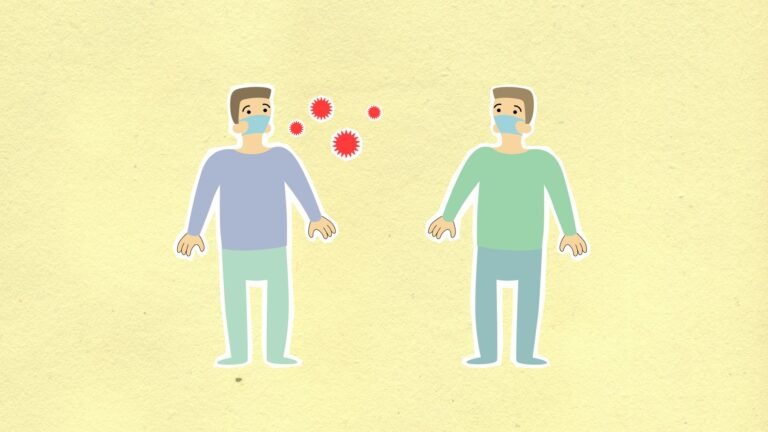
During colder seasons, people tend to spend more time indoors in close proximity to others. This facilitates person to person transmission through respiratory droplets released when an infected individual coughs or sneezes. Additionally, viruses may survive longer on surfaces in cooler, less humid conditions.
Therefore, while cold weather is associated with higher infection rates, it does not directly cause illness. Preventive strategies should focus on hygiene, such as handwashing and minimizing contact with infected individuals.
Myth 2: “Natural Immunity” Is Better Than Vaccines
Fact: Vaccines Provide Safe and Controlled Immunity
Natural infection can indeed lead to immunity. However, acquiring immunity through illness exposes individuals to potentially severe complications, including hospitalization, long term health effects, and even death.
Vaccines, by contrast, are designed to stimulate the immune system without causing the full disease. They introduce harmless components of a pathogen, allowing the body to develop memory cells that respond rapidly upon future exposure.
Importantly, vaccines undergo extensive clinical testing to ensure safety and effectiveness. They significantly reduce the risk of severe disease, complications, and transmission at the population level. Therefore, vaccination represents a safer and more controlled method of achieving immunity.
Myth 3: Antibiotics Cure All Infections
Fact: Antibiotics Only Work Against Bacterial Infections
Antibiotics are specifically designed to target bacteria, not viruses. Conditions such as the common cold, influenza, and COVID-19 are caused by viruses and therefore do not respond to antibiotic treatment.
Misuse of antibiotics can lead to antimicrobial resistance, a serious global health issue in which bacteria evolve to resist treatment. This makes future infections more difficult to manage and increases the risk of severe outcomes.
Appropriate use of antibiotics requires accurate diagnosis and medical guidance. They should only be used when a bacterial infection is confirmed or strongly suspected.
Myth vs. Fact: Lifestyle Choices and Disease Risk
Healthy Habits That Really Matter
Myth 4: You Need a Detox Diet to Cleanse Your Body
Fact: The Body Has Its Own Detoxification Systems
The human body is equipped with highly efficient detoxification mechanisms, primarily involving the liver and kidneys. These organs filter toxins from the bloodstream and eliminate them through urine and bile.
Commercial detox diets, including juice cleanses and detox teas, lack strong scientific evidence supporting their effectiveness. In some cases, they may even be harmful due to nutrient deficiencies or excessive intake of certain compounds.
A more effective approach to maintaining health involves balanced nutrition, adequate hydration, and regular physical activity. These support the body’s natural detoxification processes without unnecessary interventions.
Myth 5: Sugar Causes Hyperactivity in Children
Fact: Scientific Evidence Does Not Support a Direct Link
The belief that sugar causes hyperactivity in children is widespread but not strongly supported by scientific research. Controlled studies have generally found no consistent cause and effect relationship between sugar intake and behavioral changes.
Perceived hyperactivity is often influenced by contextual factors. For example, children may consume sugary foods during events such as parties or celebrations, which are already stimulating environments. This can create the impression that sugar is the cause of increased activity.
While excessive sugar consumption should still be limited due to its association with obesity and metabolic conditions, it is not a primary driver of hyperactive behavior.
Myth 6: Natural Remedies Are Always Risk-Free
Fact: Natural Products Can Still Have Risks
The term “natural” is often incorrectly equated with safety. In reality, many natural substances can have potent biological effects and may interact with medications or underlying health conditions.
For instance, certain herbal supplements can affect liver function, alter blood clotting, or interfere with prescription drugs. Essential oils, when used improperly, may cause skin irritation or toxicity.
Therefore, any alternative or complementary therapy should be discussed with a qualified healthcare provider to ensure safety and compatibility with existing treatments.
Myth vs. Fact: Chronic Conditions and Long-Term Management
Understanding Serious Diseases
Myth 7: Only Overweight People Get Type 2 Diabetes
Fact: Multiple Risk Factors Contribute to Diabetes
While excess body weight is a significant risk factor for type 2 diabetes, it is not the sole determinant. The condition is influenced by a combination of factors, including:
- Genetic predisposition
- Age
- Ethnicity
- Physical inactivity
- Metabolic health
Individuals with normal body weight can still develop type 2 diabetes, particularly if they have a strong family history or other metabolic risk factors. Therefore, screening and preventive strategies should not be limited to individuals who are overweight.
Myth 8: Cancer Is Contagious
Fact: Cancer Cannot Be Transmitted Between Individuals
Cancer is not an infectious disease and cannot be spread through casual contact, shared environments, or physical interaction. It arises from genetic mutations within an individual’s cells.
However, certain viral infections, such as human papillomavirus (HPV) and hepatitis B or C, can increase the risk of developing specific types of cancer. These infections can be transmitted, but the cancer itself is not.
Preventive measures such as vaccination and safe health practices can reduce the risk of virus related cancers.
Myth 9: You Can Starve a Fever
Fact: The Body Requires Nutrition and Hydration During Illness
The idea that reducing food intake helps fight fever is not supported by medical evidence. During illness, the body’s metabolic demands increase as the immune system works to combat infection.
Adequate nutrition provides energy for immune function, while hydration helps regulate temperature and prevent complications such as dehydration. Light, easily digestible meals and sufficient fluid intake are essential for recovery.
Myth vs. Fact: Mental Health Misconceptions
Destigmatizing Psychological Illness
Myth 10: Depression Is Just “Feeling Sad”
Fact: Depression Is a Complex Medical Condition
Depression is not simply a temporary emotional state. It is a clinical condition characterized by persistent symptoms such as:
- Prolonged low mood
- Loss of interest in activities
- Changes in sleep and appetite
- Difficulty concentrating
These symptoms can significantly impair daily functioning. Effective treatment may include psychotherapy, medication, lifestyle adjustments, or a combination of approaches.
Myth 11: Mental Illness Is a Sign of Weakness
Fact: Mental Health Conditions Are Medical Issues
Mental health disorders arise from a combination of biological, psychological, and environmental factors. Brain chemistry, genetic predisposition, and life experiences all contribute to their development.
Seeking help for mental health concerns reflects awareness and proactive care, not weakness. Early intervention improves outcomes and reduces long term impact.
Quick Reference: Common Health Myths and Facts
- Myth: Sunscreen is only needed on sunny days
Fact: Ultraviolet radiation penetrates clouds, making daily protection important - Myth: Cracking knuckles causes arthritis
Fact: There is no conclusive scientific evidence supporting this claim - Myth: Cell phones cause brain tumors
Fact: Current research does not show consistent evidence of increased risk - Myth: You can get the flu from a flu shot
Fact: Flu vaccines contain inactivated components and cannot cause infection - Myth: Everyone must drink exactly eight glasses of water daily
Fact: Hydration needs vary depending on individual factors such as activity level and climate
Conclusion
Misinformation about diseases can lead to harmful behaviors, delayed treatment, and unnecessary anxiety. By critically evaluating common myths and understanding the scientific evidence behind them, individuals can make more informed health decisions.
Accurate knowledge about disease transmission, prevention, lifestyle factors, and mental health not only improves personal well being but also contributes to broader public health efforts. Therefore, it is essential to rely on credible sources, consult healthcare professionals when needed, and approach health information with a critical and informed perspective.
Promoting evidence based understanding is one of the most effective ways to reduce the impact of misinformation and support healthier communities.
Was this page helpful?
Thanks for your feedback! What could we improve?
Thank you! Your feedback helps us improve our articles.
True Impact Health articles are written by our editorial team and based on reliable sources such as public health agencies, clinical guidelines and peer-reviewed research. This article has not yet been medically reviewed. Read our editorial process.
This content is for general information and is not a substitute for professional medical advice, diagnosis or treatment.