Let’s talk about something that many people don’t like to discuss openly – yeast infections. They’re super common and can be a real nuisance, but don’t worry, I’m here to share some helpful information with you.
- Vitamin C boosts the immune system and supports skin and mucous membranes to help prevent yeast overgrowth.
- Vitamin D strengthens immune response; get sunlight, fatty fish, or supplements after consulting your provider.
- B vitamins support immune health, gut balance, and mucous membranes; niacin may have antifungal effects.
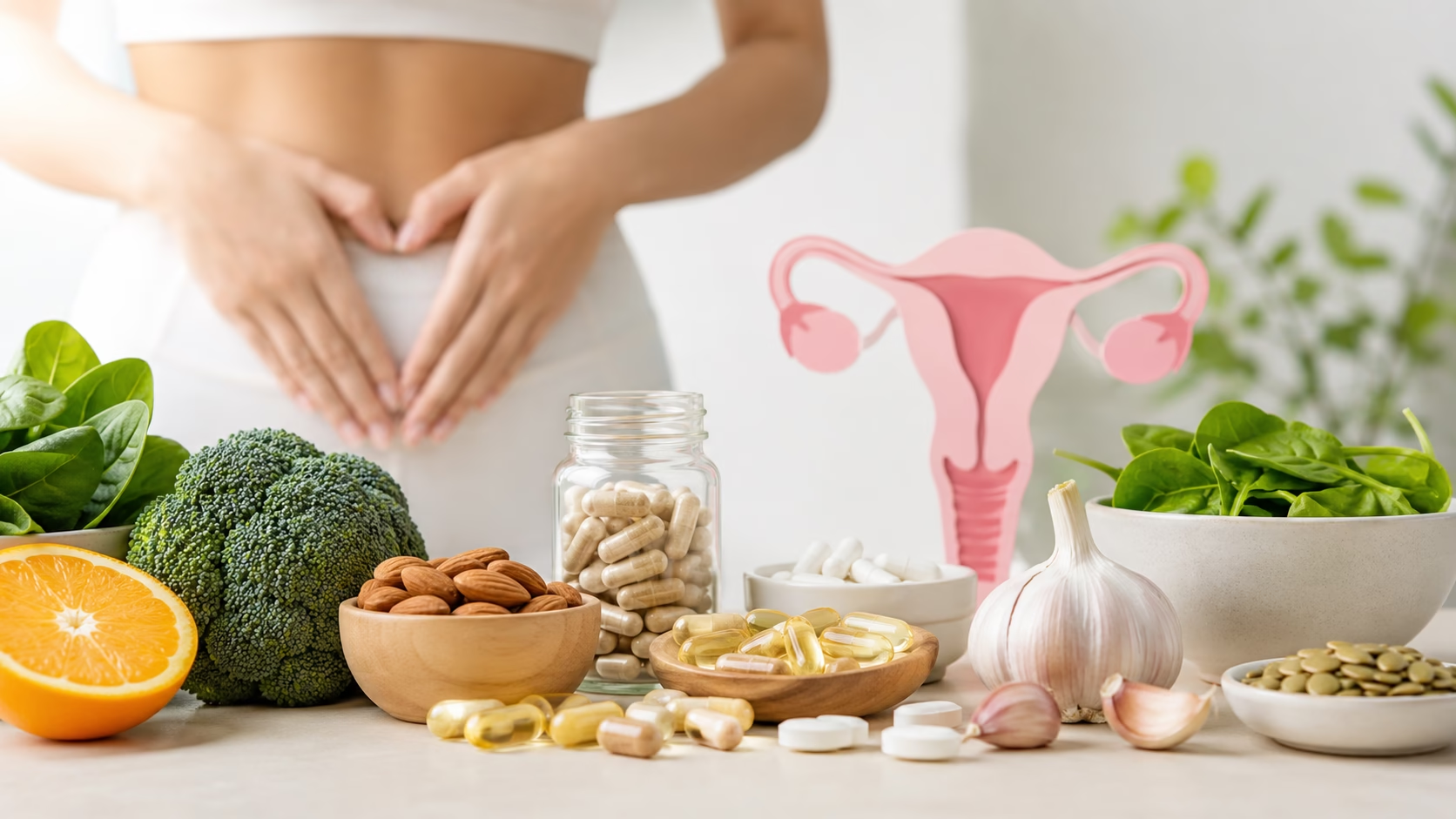
- Probiotics, zinc, garlic, and omega-3s help maintain gut flora, immune function, and prevent yeast overgrowth.
Yeast infections are caused by an overgrowth of a type of fungus called Candida. This fungus is naturally present in our bodies, but when it grows out of control, it can lead to symptoms like itching, burning, and unusual discharge.
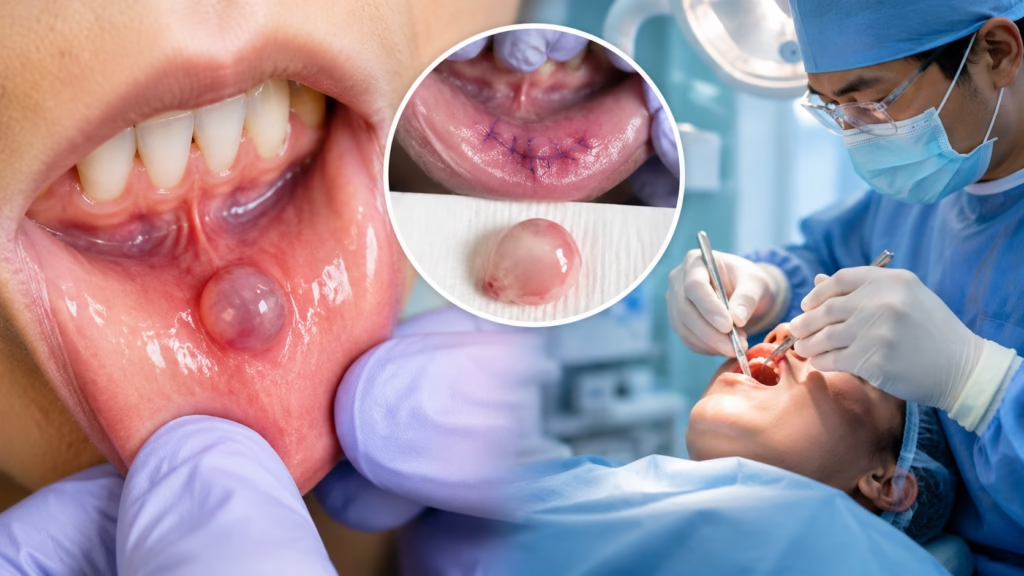
Yeast infections can occur in various parts of the body, but they are most commonly associated with the vagina (vaginal yeast infections) and mouth (oral thrush). Factors like a weakened immune system, hormonal changes, antibiotics, and diabetes can all contribute to the development of yeast infections.
These infections are not considered serious, but they can be uncomfortable and irritating. It’s essential to take steps to prevent them from occurring in the first place or to treat them promptly if they do occur.
Role of Vitamins in Yeast Infection Prevention
When it comes to preventing yeast infections, having a well-balanced diet rich in essential vitamins is key. Vitamins play a crucial role in maintaining a healthy immune system and supporting the body’s natural defense mechanisms against infections. Let’s dive into the importance of specific vitamins in preventing yeast infections.
Vitamin C
Vitamin C, also known as ascorbic acid, is a powerful antioxidant that helps boost the immune system and fight off harmful bacteria and viruses. Adequate levels of vitamin C can help prevent yeast infections by strengthening the body’s natural defenses.
Related Posts:


Foods rich in vitamin C include citrus fruits, strawberries, kiwi, bell peppers, and broccoli. Including these vitamin C-rich foods in your diet can help maintain a healthy balance of good bacteria in the gut and prevent yeast overgrowth.
Additionally, vitamin C supplements can be beneficial for those who may have a deficiency or have difficulty getting enough vitamin C through their diet alone. Consult with your healthcare provider before starting any new supplement regimen.
Vitamin D
Vitamin D is not only essential for bone health but also plays a critical role in supporting the immune system. Research has shown that vitamin D deficiency can increase the risk of infections, including yeast infections.
Sources of vitamin D include sunlight exposure, fatty fish like salmon and mackerel, fortified dairy products, and egg yolks. If you live in an area with limited sunlight or have a deficiency, vitamin D supplements may be necessary to maintain optimal levels.
Ensuring you get enough vitamin D can help strengthen the immune response and reduce the likelihood of developing yeast infections. Talk to your healthcare provider to determine the right dosage for your individual needs.
Vitamin B Complex
The B vitamins, including B1 (thiamine), B2 (riboflavin), B3 (niacin), B5 (pantothenic acid), B6 (pyridoxine), B7 (biotin), B9 (folate), and B12 (cobalamin), are essential for overall health and well-being. B vitamins play a crucial role in supporting the immune system, energy production, and maintaining healthy skin and mucous membranes.
Deficiencies in certain B vitamins, such as B3 (niacin) and B6 (pyridoxine), have been linked to an increased susceptibility to yeast infections. Including a variety of B vitamin-rich foods in your diet, such as whole grains, nuts, seeds, and leafy green vegetables, can help prevent deficiencies and support immune function.
For those who may have difficulty getting enough B vitamins through diet alone, supplementation may be necessary. Consult with a healthcare provider or registered dietitian to determine the right dosage and form of B vitamins for your needs.
Vitamin C: The Immune Boosting Superhero
When it comes to preventing yeast infections, one of the key players in your defense arsenal is none other than Vitamin C. This powerful antioxidant is not only essential for overall health and well-being, but it also plays a crucial role in maintaining a strong immune system – your body’s first line of defense against harmful pathogens like yeast.
So, how exactly does Vitamin C help in the prevention of yeast infections? Well, for starters, this mighty vitamin works wonders in boosting your immune system, helping your body fight off infections more effectively. By strengthening your immune response, Vitamin C helps to keep yeast overgrowth in check, reducing the likelihood of developing a pesky yeast infection.
But that’s not all – Vitamin C also plays a key role in maintaining the health of your skin and mucous membranes, which serve as barriers against invading pathogens like yeast. By keeping these barriers strong and resilient, Vitamin C helps to prevent yeast from taking hold and causing an infection.
Not only does Vitamin C help in preventing yeast infections, but it can also aid in speeding up recovery if you do happen to develop one. Its anti-inflammatory properties can help ease discomfort and promote healing, making it a valuable ally in the fight against yeast infections.
Now, you may be wondering, “How can I ensure I’m getting enough Vitamin C to reap all these benefits?” The good news is that Vitamin C is readily available in a wide variety of fruits and vegetables, with some of the best sources including citrus fruits, strawberries, kiwi, bell peppers, and broccoli. You can also consider taking a Vitamin C supplement to ensure you’re meeting your daily requirements.
So, whether you’re looking to prevent yeast infections or simply boost your overall immune health, Vitamin C is a superhero you’ll want on your side. With its immune-boosting properties and ability to support skin and mucous membrane health, this powerhouse vitamin is a must-have for anyone looking to stay healthy and yeast-free.
Vitamin D
Let’s talk about everyone’s favorite sunshine vitamin – Vitamin D! Did you know that apart from its well-known benefits for bone health, Vitamin D also plays a crucial role in preventing yeast infections? Yes, you heard it right!
Vitamin D is essential for maintaining a healthy immune system, which is your body’s defense mechanism against harmful pathogens like yeast. A strong immune system can help ward off yeast infections and keep your body in top-notch condition.
So, how can you ensure you’re getting enough Vitamin D to prevent yeast infections? Here are some tips to help you out:
- Get some sun: The best way to boost your Vitamin D levels is by soaking up some natural sunlight. Aim for at least 15-20 minutes of sun exposure on your bare skin every day. Just remember to wear sunscreen to protect your skin from harmful UV rays.
- Include Vitamin D-rich foods in your diet: If you’re not getting enough sun, you can also get Vitamin D from food sources like fatty fish (salmon, mackerel, sardines), egg yolks, and fortified foods like milk and cereals.
- Consider a supplement: If you have limited sun exposure or struggle to get enough Vitamin D through your diet, you may want to consider taking a Vitamin D supplement. Consult with your healthcare provider to determine the right dosage for you.
Remember, maintaining optimal levels of Vitamin D is not only important for preventing yeast infections but also for overall health and well-being. So, make sure to prioritize getting enough Vitamin D to keep those pesky yeast infections at bay!
Now that you’re armed with the knowledge about the role of Vitamin D in preventing yeast infections, go ahead and soak up some sun or enjoy a delicious salmon dinner to boost your Vitamin D levels. Your immune system will thank you!
And don’t forget to stay tuned for more tips on how to keep yeast infections at bay with the power of essential vitamins and supplements!
Let’s talk about Vitamin B Complex and its role in preventing yeast infections. Vitamin B Complex consists of eight B vitamins that play a crucial role in maintaining a healthy immune system and supporting overall well-being.
Vitamin B Complex and Yeast Infections
When it comes to yeast infections, Vitamin B Complex can help in several ways. B vitamins are essential for maintaining a healthy balance of beneficial bacteria in the gut, which can help prevent yeast overgrowth. Additionally, Vitamin B Complex supports the body’s ability to fight off infections and boost the immune system.
One specific B vitamin that is particularly important for yeast infection prevention is B3, also known as niacin. Niacin has been shown to have antifungal properties that can help combat yeast infections and keep them at bay.
Sources of Vitamin B Complex
You can get Vitamin B Complex from a variety of foods, including whole grains, nuts, seeds, meat, fish, eggs, and leafy green vegetables. If you’re not getting enough B vitamins from your diet, you may consider taking a B Complex supplement to ensure you’re meeting your daily requirements.
Supplementing with Vitamin B Complex
If you’re prone to yeast infections or have a weakened immune system, supplementing with Vitamin B Complex may be beneficial. Consult with your healthcare provider before starting any new supplements to determine the appropriate dosage for your needs.
It’s important to note that while Vitamin B Complex can help support your body’s natural defenses against yeast infections, it should not be used as a standalone treatment. It’s always best to address the root cause of the infection and work with your healthcare provider to develop a comprehensive treatment plan.
Remember, prevention is key when it comes to yeast infections. By incorporating Vitamin B Complex into your daily routine, along with other healthy habits such as maintaining good hygiene, wearing breathable clothing, and avoiding excessive sugar intake, you can help reduce your risk of developing a yeast infection.
So, make sure to prioritize your health and well-being by including Vitamin B Complex in your diet or supplement routine. Your body will thank you for it!
Other Essential Vitamins and Supplements for Yeast Infection Prevention
Aside from vitamin C, D, and B complex, there are other essential vitamins and supplements that play a crucial role in preventing yeast infections. These nutrients work together to support a healthy immune system, maintain proper gut health, and balance the body’s pH levels to prevent the overgrowth of yeast.
1. Probiotics
Probiotics are beneficial bacteria that help maintain a healthy balance of microorganisms in the gut. They can help prevent yeast infections by crowding out the harmful yeast that can cause an imbalance. Incorporating probiotic-rich foods like yogurt, kefir, and sauerkraut into your diet can help support a healthy gut microbiome and prevent yeast overgrowth.
2. Zinc
Zinc is an essential mineral that plays a key role in supporting a healthy immune system. It helps the body fight off infections, including yeast infections. Incorporating zinc-rich foods like oysters, beef, and pumpkin seeds into your diet can help boost your immune system and reduce your risk of developing yeast infections.
3. Garlic
Garlic is well-known for its antimicrobial and antifungal properties, making it a natural remedy for yeast infections. Incorporating garlic into your diet or taking garlic supplements can help prevent yeast overgrowth and support a healthy immune system.
4. Omega-3 Fatty Acids
Omega-3 fatty acids are essential fats that have anti-inflammatory properties and support overall immune function. Incorporating omega-3-rich foods like fatty fish, flaxseeds, and walnuts into your diet can help reduce inflammation in the body and support a healthy immune response to prevent yeast infections.
- Probiotics: Incorporate probiotic-rich foods like yogurt, kefir, and sauerkraut into your diet to support a healthy gut microbiome.
- Zinc: Include zinc-rich foods like oysters, beef, and pumpkin seeds in your diet to boost your immune system.
- Garlic: Incorporate garlic into your diet or take garlic supplements to prevent yeast overgrowth.
- Omega-3 Fatty Acids: Eat omega-3-rich foods like fatty fish, flaxseeds, and walnuts to reduce inflammation and support immune function.
By incorporating these essential vitamins and supplements into your daily routine, you can support a healthy immune system, maintain proper gut health, and prevent yeast infections from taking hold. Remember to consult with a healthcare provider before making any significant changes to your diet or supplement regimen to ensure they are appropriate for your individual needs.