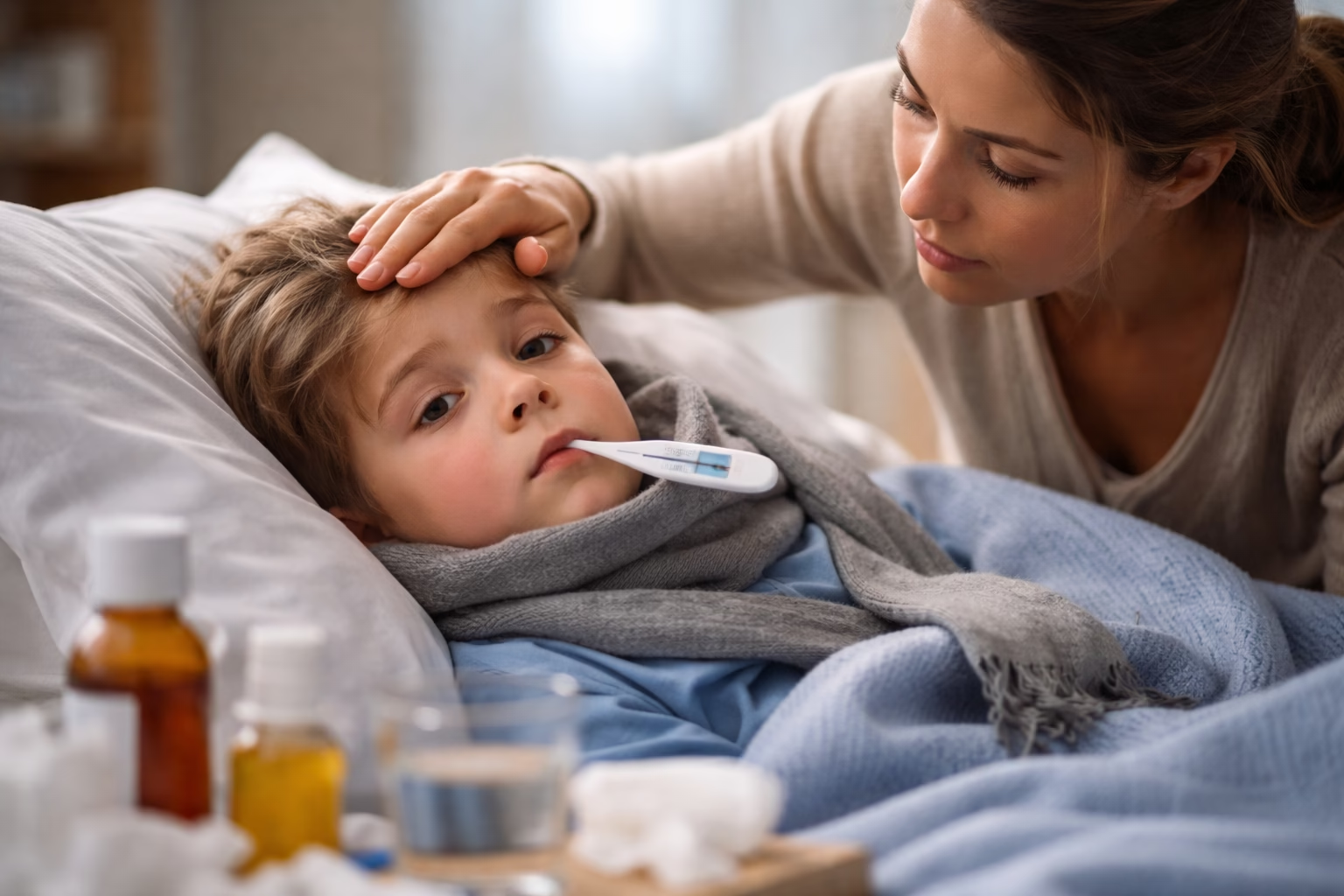
107°F Fever in a Child: Understanding, Managing, and Knowing When to Seek Help
A fever is often one of the first signs that a child’s body is responding to an infection or another health problem. In many situations, a mild or moderate fever is not dangerous by itself. It can be part of the immune system’s natural defense process. However, when a child’s temperature rises to an extremely high level such as 107°F (41.7°C), the situation is no longer a routine fever. It becomes a serious medical emergency that requires immediate attention.
- 107°F qualifies as hyperpyrexia, can cause brain and organ injury, and is a life threatening emergency requiring urgent medical evaluation.
- While awaiting care, confirm the temperature, offer small safe sips of fluids, remove excess clothing, use lukewarm cloths, avoid ice baths.
- Seek emergency help for seizures lasting over five minutes, unresponsiveness, severe breathing distress, purple non blanching rash, or inability to keep fluids down.
At this temperature, the body is under extreme stress. The child may become dehydrated very quickly, the brain and other organs may be affected, and the risk of severe complications rises significantly. Parents and caregivers therefore need clear information, not only about what this kind of fever means, but also about what steps to take immediately, what signs make the situation even more urgent, and when emergency medical care is absolutely necessary.
This article explains each point in full, including what counts as a high fever, the possible causes of a temperature this high, the warning signs to watch for, the safest first aid steps to take at home, and the circumstances in which emergency care should never be delayed.
What Constitutes a High Fever in Children?
To understand why a temperature of 107°F is so serious, it helps to first understand the usual fever ranges in children. A child’s body temperature can vary slightly depending on the time of day, activity level, clothing, and the method used to measure it. Even so, there are general temperature ranges that help define what is normal and what is concerning.
Normal Body Temperature
A normal body temperature in children is usually around 97.9°F to 99.5°F (36.6°C to 37.5°C). This range can vary somewhat from one child to another. A temperature within this range usually means the body is maintaining normal heat balance.
Low Grade Fever
A low grade fever is typically around 99.6°F to 100.3°F (37.6°C to 37.9°C). This level may occur in the early stages of an infection or after vaccinations. It is often not dangerous by itself, but it should be observed, especially if other symptoms are present.
Moderate Fever
A moderate fever is generally considered to be 100.4°F to 102.2°F (38.0°C to 39.0°C). This is a common fever range in children with viral or bacterial infections. Many children with a moderate fever may still remain alert, drink fluids, and recover with rest and supportive care, depending on the cause.
High Fever
A high fever usually falls between 102.2°F and 104.0°F (39.0°C to 40.0°C). At this stage, children often appear more uncomfortable. They may become tired, irritable, lose appetite, or complain of body aches and headache. Although high fevers can still occur with routine infections, they require closer monitoring.
Hyperpyrexia
When a child’s temperature rises above 106.7°F (41.5°C), this is called hyperpyrexia. Hyperpyrexia is not simply a stronger version of an ordinary fever. It is an extreme temperature elevation that can threaten the normal function of the brain, heart, kidneys, and other organs. A temperature of 107°F clearly falls into this category and must be treated as a medical emergency.
In other words, a child with a temperature of 107°F is not just experiencing a typical illness related fever. The child is in a situation that may quickly become life threatening without urgent medical care.
Common Causes of Extreme Fevers
A temperature as high as 107°F is unusual, and when it occurs, it usually points to a significant underlying problem. Understanding the possible causes can help caregivers and clinicians respond appropriately.
Viral Infections
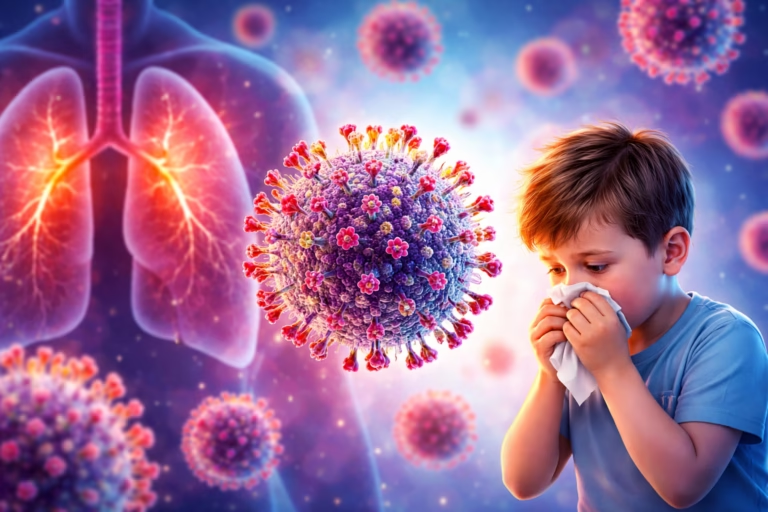
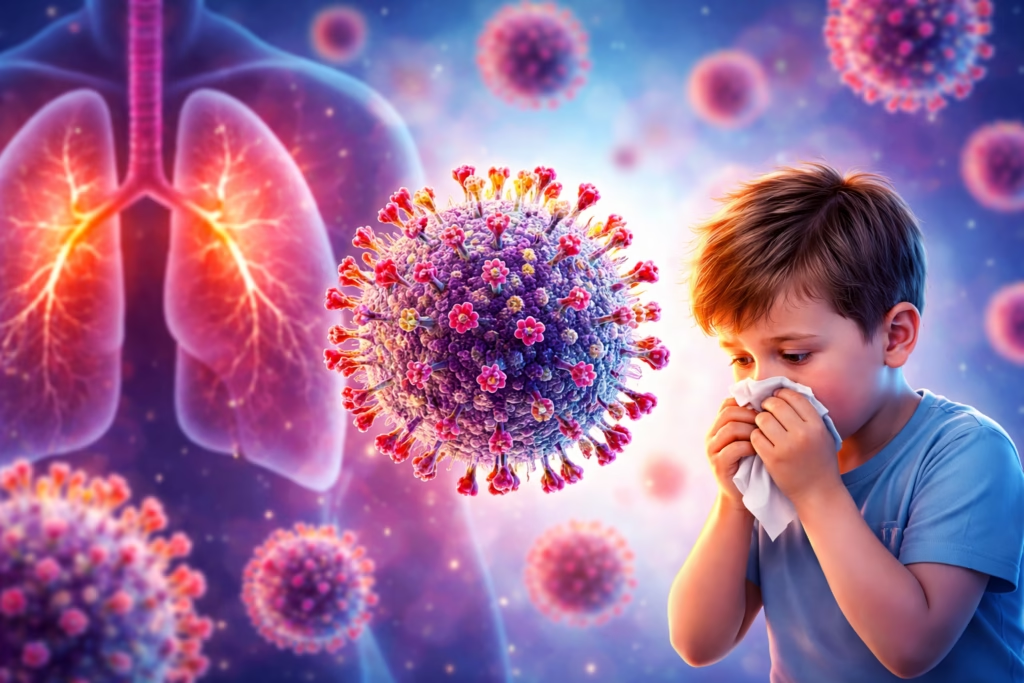
Some viral infections can produce very high fevers in children. Influenza, certain respiratory viruses, and some systemic viral illnesses may trigger a strong immune response that pushes body temperature upward. In most viral infections, the fever does not usually reach 107°F, but in severe cases, especially in younger children or those with other medical vulnerabilities, it can become very high.
A viral cause may be accompanied by symptoms such as cough, runny nose, fatigue, vomiting, diarrhea, or body aches. Even if the cause appears viral, a temperature this high still requires urgent medical evaluation.
Bacterial Infections
Bacterial infections are another important cause of extreme fever. Conditions such as pneumonia, severe urinary tract infection, bloodstream infection, meningitis, or other serious bacterial illnesses can cause the body temperature to rise rapidly. Bacterial infections may produce additional warning signs such as lethargy, breathing difficulty, unusual irritability, vomiting, neck stiffness, or signs of severe illness.
Because bacterial infections can worsen quickly and sometimes become life threatening, high fever in this context may require hospital care, laboratory testing, and antibiotics.
Heatstroke or Hyperthermia
Not all extreme temperature elevations are caused by infection. Sometimes the body overheats because of environmental exposure, which leads to hyperthermia rather than a true fever. This can happen if a child is left in a hot car, exposed to very high outdoor temperatures for too long, overdressed in hot weather, or unable to cool down properly.
This distinction matters because in heatstroke, the body is failing to release excess heat. The skin may be hot, the child may seem confused or collapsed, and the situation can deteriorate very quickly. Heatstroke is an emergency and can push body temperature into the same dangerous range as severe fever.
Febrile Seizures
Febrile seizures are seizures associated with fever, usually occurring in young children between about 6 months and 5 years of age. They are more commonly triggered by a rapid rise in temperature than by the exact number itself. However, extremely high temperatures can increase the risk.
A febrile seizure may involve shaking, stiffening, eye rolling, or a brief loss of consciousness. Although many febrile seizures are short and do not cause long term harm, they are frightening and always require careful assessment, especially if the fever is extremely high.
Inflammatory Conditions
In rare cases, severe inflammatory conditions can drive the body temperature to dangerous levels. Examples may include autoimmune or inflammatory syndromes in which the immune system becomes overly active. These causes are less common than infections or heat related illness, but they remain important in the medical assessment of unexplained hyperpyrexia.
Risks and Warning Signs at 107°F
A child with a temperature of 107°F is at risk not only from the condition causing the fever, but also from the direct effects of the extreme temperature itself. At this level, the body’s normal biochemical processes can begin to fail.
Dehydration and Electrolyte Imbalance
High fever increases fluid loss through sweating, faster breathing, and reduced fluid intake if the child refuses to drink. As dehydration worsens, the balance of important minerals such as sodium and potassium may also become disturbed. This can affect muscle function, heart rhythm, and overall stability.
A dehydrated child may have dry lips, a dry mouth, sunken eyes, reduced tears when crying, fewer wet diapers, dark urine, or unusual sleepiness.
Febrile Seizures
At very high temperatures, some children may develop febrile seizures. These may appear as sudden shaking, rigid limbs, staring, or unresponsiveness. Even when a febrile seizure is brief, it is alarming and requires medical evaluation, especially when associated with such an extreme temperature.
Brain Injury From Prolonged Hyperthermia
One of the greatest concerns at 107°F is the effect of sustained heat on the brain. The brain is extremely sensitive to temperature extremes. If the body remains at this level for too long, there is a risk of neurological damage. This is one reason urgent treatment is necessary.
Organ Dysfunction
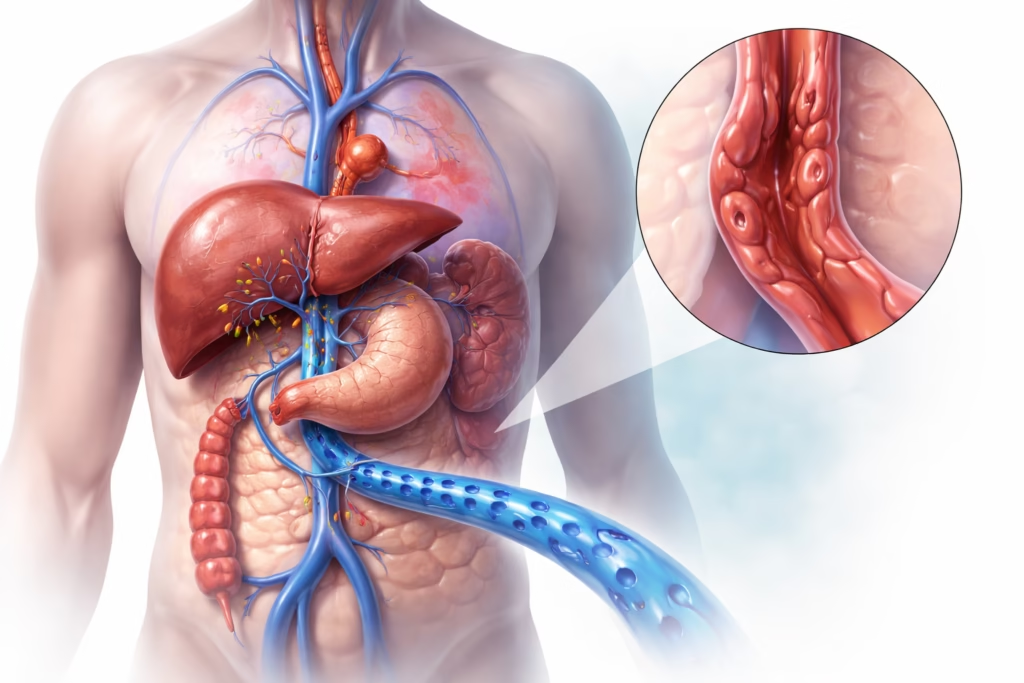
The heart, kidneys, liver, and other organs also function poorly when body temperature becomes excessively high. A child may begin to show signs of rapid heartbeat, weakness, low urine output, confusion, or other symptoms that suggest the body is struggling.
Red Flags Requiring Immediate Attention
Certain warning signs should never be ignored in a child with extreme fever.
Difficulty breathing or wheezing may suggest severe infection, respiratory distress, or a life threatening reaction in the body. A child who is breathing very fast, using extra chest muscles, or struggling for air requires emergency help.
Unresponsiveness, excessive drowsiness, or confusion may indicate that the fever is affecting the brain or that the underlying illness is severe. A child who cannot stay awake, does not respond normally, or seems disoriented needs urgent medical care.
Persistent vomiting or inability to keep fluids down is dangerous because it makes dehydration worse and prevents oral hydration from working. A child can decline quickly if fluids cannot be replaced.
Severe headache, stiff neck, or rash can be especially concerning because they may signal meningitis or another serious infection. A purple or non blanching rash is particularly urgent and should never be dismissed.
First Aid Steps to Take at Home
If a child’s temperature reaches 107°F, emergency medical care should be sought right away. However, while waiting for help or while on the way to the hospital, certain first aid measures can be taken to support the child safely.
Verify the Temperature
The first step is to confirm that the temperature reading is accurate. Thermometers can occasionally be misused or give false readings. Use a reliable digital thermometer and check carefully according to instructions. Depending on the child’s age and the thermometer type, the temperature may be taken orally, in the armpit, rectally, or in the ear.
This step is important because an accurate reading helps guide urgency and communication with emergency services or healthcare providers. If the reading is truly 107°F, the child needs immediate assessment regardless of whether the child still looks somewhat alert.
Hydrate Aggressively, but Safely
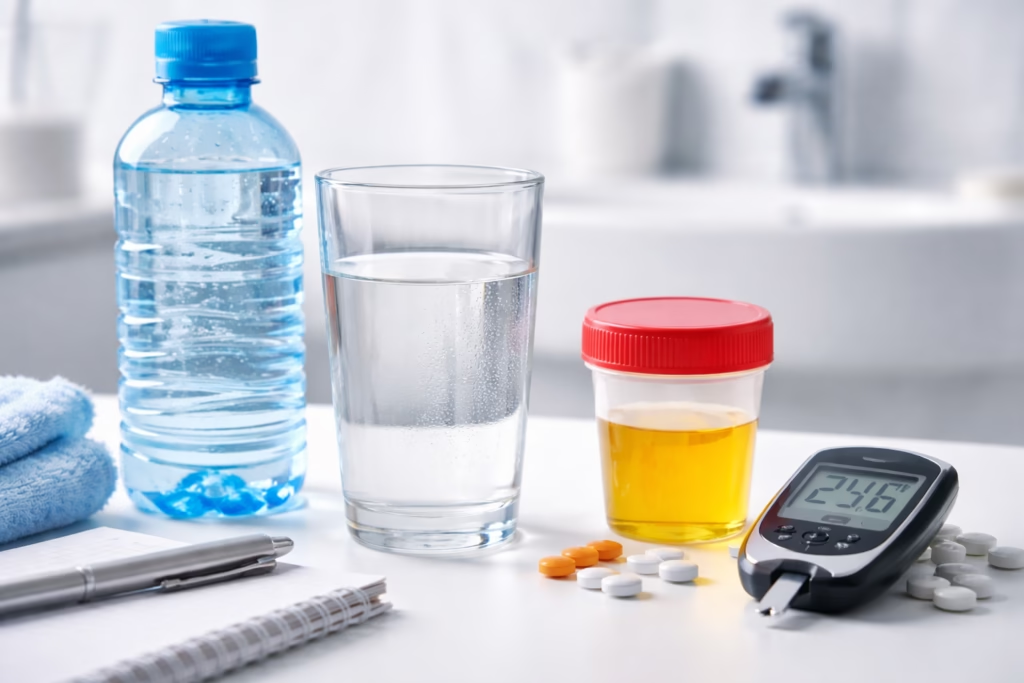
A child with such a high fever may lose fluids quickly. Offering small amounts of water, oral rehydration solution, or electrolyte fluids can help reduce dehydration. Small sips are often better tolerated than trying to make the child drink a large amount at once.
This step matters because fever raises the body’s fluid needs, and dehydration can worsen weakness, dizziness, rapid heartbeat, and irritability. However, if the child is vomiting continuously, choking, barely awake, or unable to swallow safely, do not force fluids, because that may increase the risk of aspiration.
Employ Physical Cooling
Gentle cooling can help lower body temperature while waiting for medical care. Remove heavy clothing, blankets, or extra layers so the child can release excess heat more easily. Place lukewarm damp cloths on areas such as the forehead, neck, and groin. A fan may also help air circulate and improve comfort.
The cooling should be gentle rather than extreme. Ice cold water, ice packs directly on the skin, or very cold baths are usually not advised because they can trigger shivering. Shivering may actually raise internal body temperature further by causing the muscles to generate heat. The goal is controlled cooling, not shock cooling.
Administer Antipyretics Only If Recommended by a Pediatrician
Medications such as acetaminophen or ibuprofen may help lower fever, but they should be used correctly and based on the child’s age, weight, and medical advice.
Acetaminophen is commonly dosed at 10 to 15 mg per kilogram per dose every 4 to 6 hours.
Ibuprofen is commonly dosed at 5 to 10 mg per kilogram per dose every 6 to 8 hours.
These medicines can reduce discomfort and help lower temperature, but they do not replace emergency care when a fever is as high as 107°F. They are supportive measures only. Also, aspirin should never be given to children under 18, because it is linked to Reye’s syndrome, a rare but serious condition that can affect the brain and liver.
When to Get Emergency Medical Help
A fever of 107°F is already enough reason to seek urgent medical attention. Even if the child seems awake or calmer for the moment, the situation should still be treated as an emergency. Some signs make the need for emergency help even more urgent.
Seizure Lasting More Than 5 Minutes
If the child has a seizure that continues for more than five minutes, emergency services should be called immediately. A prolonged seizure can place additional stress on the brain and body and needs immediate professional care.
Unresponsive or Cannot Be Awakened
A child who is unresponsive, extremely difficult to wake, or not acting normally neurologically requires emergency treatment. This can indicate severe infection, heat injury, or a dangerous effect of the fever on the nervous system.
Severe Breathing Distress
Any sign that the child cannot breathe comfortably is a medical emergency. This includes gasping, wheezing, very fast breathing, chest pulling inward with breaths, bluish lips, or obvious struggle to breathe.
Purple or Non Blanching Rash
A rash that is purple, dark, or does not fade when pressed can be a sign of a serious infection affecting the bloodstream. This requires immediate emergency assessment.
Cannot Drink Any Fluids for Over an Hour
If the child refuses fluids completely, vomits everything, or cannot swallow safely, dehydration may progress very quickly. This is especially dangerous in the setting of an extreme fever.
Preventing Future High Fevers
Not every severe fever can be prevented, but certain measures can reduce the chances of infections or overheating becoming dangerous.
Keep Vaccinations Up to Date
Vaccinations help protect children against several infections that can cause high fever and serious complications. Keeping up with routine immunizations, including influenza and other recommended vaccines, reduces overall risk.
Teach Regular Handwashing and Respiratory Hygiene
Many infections spread through hands, droplets, and close contact. Teaching children to wash their hands properly and cover coughs or sneezes can reduce exposure to viruses and bacteria.
Monitor Early Signs of Infection and Seek Prompt Care
Early symptoms such as cough, sore throat, pain with urination, vomiting, rash, or unusual tiredness should be watched carefully. When illness is identified and managed early, it is less likely to progress unnoticed.
Dress Children Appropriately for the Weather and Avoid Overheating
Children should not be overdressed, especially in warm conditions. During hot weather, caregivers should make sure children stay cool, hydrated, and out of overheated environments such as parked vehicles.
Conclusion
A 107°F fever in a child is a life threatening emergency, not a routine illness symptom. At this temperature, the body faces serious risks that include dehydration, seizures, brain injury, and organ dysfunction. Parents and caregivers should respond quickly, confirm the temperature, begin safe supportive measures such as hydration and gentle cooling, and seek emergency medical help without delay.
Understanding what this kind of fever means is essential. It allows caregivers to act with urgency, recognize warning signs early, and reduce the risk of severe complications. In a situation involving such an extreme temperature, immediate professional care is always the safest course of action.
Disclaimer
This article is for informational purposes only and does not replace professional medical advice, diagnosis, or treatment. If a child has a very high fever or any concerning symptoms, emergency medical care should be sought immediately.